The Art of Wordless Surrender
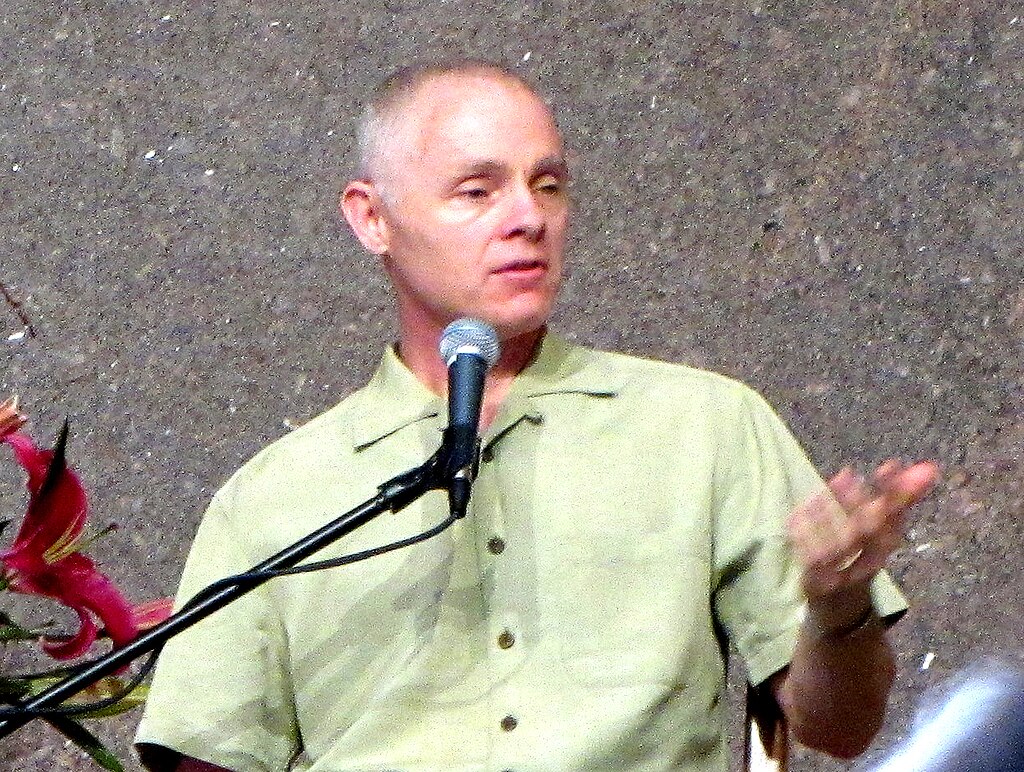
Adyashanti's assertion that "true meditation has no direction or goal. It is simply pure wordless surrender" invites us into a profound exploration of the nature of meditation itself. In a world often characterized by striving and ambition, this perspective challenges the conventional understanding of meditation as a tool for achieving specific outcomes. Instead, it beckons us to embrace a state of being that transcends intention, urging us to let go of the need for control and to immerse ourselves in the present moment.
This notion of surrender is not merely passive; it is an active engagement with the essence of existence. By relinquishing our attachment to goals, we open ourselves to a deeper experience of reality, one that is rich with possibility and authenticity. In this space of wordless surrender, we find a profound connection to ourselves and the universe, allowing for a transformative experience that can lead to greater clarity and peace.
The image / the metaphor
The imagery of "wordless surrender" evokes a sense of letting go, akin to a leaf drifting down a stream, unencumbered by the need to steer its course. The verbs "has no direction" and "surrender" suggest a release from the confines of the mind, where thoughts and desires often create a turbulent inner landscape. In this state, meditation becomes less about the act of doing and more about the art of being, where silence and stillness reign supreme.
In the speaker's tradition
Adyashanti's teachings are deeply rooted in the non-dual tradition, which emphasizes the interconnectedness of all things and the illusion of separation. Concepts such as sunyata, or emptiness, resonate with the idea of wordless surrender, as they point to the inherent nature of reality that transcends dualistic thinking. In this context, surrender becomes a pathway to realizing our true nature, where the self dissolves into the greater whole, echoing the essence of kenosis—the self-emptying that allows for divine presence to manifest.
In the realm of non-duality, texts such as the Heart Sutra articulate the notion that form is emptiness and emptiness is form, reinforcing the idea that our perceptions and attachments are mere constructs. This aligns with Adyashanti's invitation to engage in meditation without the constraints of goal-oriented thinking, encouraging us to explore the depths of our being beyond the confines of language and conceptualization.
Living the teaching
Consider a modern scenario where the pressures of daily life create a sense of urgency and distraction. In such moments, the practice of wordless surrender can serve as a refuge. Imagine sitting quietly amidst the chaos, allowing thoughts to arise and pass without clinging to them, embodying the essence of surrender. This practice can transform our relationship with stress, enabling us to navigate challenges with a sense of calm and clarity, rather than being swept away by the current of our thoughts.
In the context of relationships, the teaching of surrender can be equally transformative. When faced with conflict or misunderstanding, the instinct may be to defend our position or seek validation. However, embracing wordless surrender allows us to listen deeply and respond from a place of openness rather than reaction. This shift fosters connection and understanding, creating space for healing and growth within our interactions.
A reflection
As we contemplate Adyashanti's words, we are invited to reflect on our own relationship with surrender. What would it mean to approach each moment without the burden of expectation or the need for control? In what areas of your life could you practice this wordless surrender, allowing yourself to simply be? This contemplation opens the door to a deeper understanding of ourselves and our place within the vast tapestry of existence.