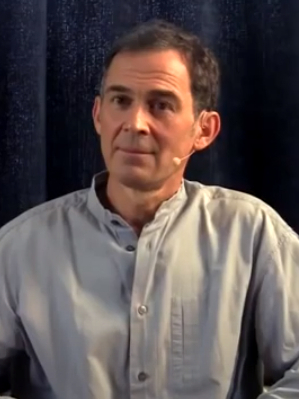
Awakening to the Witness Within
Rupert Spira invites us to explore a profound inquiry with his question, "What is conscious of you, your thoughts, and your perceptions?" This inquiry beckons us to delve into the nature of awareness itself, urging us to recognize the distinction between the observer and the observed. In a world often dominated by the noise of thought and perception, this question serves as a gentle reminder of the deeper essence of our being, one that transcends the transient nature of our experiences. Understanding this distinction is not merely an intellectual exercise; it is a pathway to liberation and self-realization.
As we engage with this question, we are called to examine the very fabric of our consciousness. What does it mean to be aware of our thoughts and perceptions? This inquiry is not just about identifying the content of our minds but about recognizing the underlying awareness that witnesses these thoughts and perceptions. By shifting our focus from the incessant chatter of the mind to the stillness of the witness, we open ourselves to a more profound understanding of our existence, one that is rooted in the essence of non-duality.
The image / the metaphor
The imagery embedded in Spira's question evokes a sense of duality between the observer and the observed. The phrase "what is conscious of you" suggests an active awareness, a presence that is both intimate and expansive. It implies that there is a part of us that is not merely engaged in the flow of thoughts and perceptions but is instead a witness to them. This witness is not separate from our experience; rather, it is the very essence of who we are, a silent observer that allows us to engage with our thoughts without becoming entangled in them.
Diving deeper into the metaphor, we can envision this witness as a vast ocean, while our thoughts and perceptions are like waves that rise and fall upon its surface. The ocean remains unchanged, regardless of the tumultuous nature of the waves. Similarly, our true self—the witness—remains constant and unperturbed by the fluctuations of our mental and emotional states. This metaphor invites us to cultivate a sense of detachment, not in a dismissive way, but in a manner that allows us to engage with our experiences while recognizing their impermanent nature.
In the speaker's tradition
Rupert Spira's inquiry is deeply rooted in the non-dual tradition, which emphasizes the interconnectedness of all existence and the illusion of separation. Concepts such as *advaita* (non-duality) and *sunyata* (emptiness) resonate with this teaching, as they invite us to recognize that our thoughts and perceptions are not separate from the essence of awareness itself. In this tradition, the act of inquiry is a sacred practice, a means of peeling away the layers of illusion to reveal the underlying truth of our being. By engaging with this question, we participate in a lineage of seekers who have traversed the path of self-inquiry throughout history.
A relevant text that echoes this sentiment is the *Ashtavakra Gita*, which speaks to the nature of the self as the witness, untouched by the play of the mind. The text encourages us to recognize that our true nature is beyond the dualities of pleasure and pain, success and failure. In this light, Spira's question serves as a contemporary invitation to engage with the timeless wisdom found in these ancient teachings, urging us to awaken to the reality of our being as the witness of our experiences.
Living the teaching
Consider a modern scenario where this teaching can be applied: imagine navigating a challenging work environment filled with stress and competing demands. In such moments, it is easy to become overwhelmed by the thoughts and emotions that arise. However, by asking ourselves, "What is conscious of these thoughts and perceptions?" we can create a space of awareness that allows us to observe our reactions without being consumed by them. This practice of inquiry can transform our experience, enabling us to respond with clarity and calmness rather than react impulsively.
Another application of this teaching can be found in our relationships. During a disagreement with a loved one, we may find ourselves caught in a whirlwind of emotions and judgments. By turning our attention to the witness within, we can step back from the immediate turmoil and recognize the underlying awareness that observes both our thoughts and the dynamics of the interaction. This shift not only fosters a deeper understanding of ourselves but also cultivates compassion and empathy towards the other, allowing for more meaningful and constructive communication.
A reflection
As we contemplate Spira's question, we are invited to engage in a deeper inquiry into our own lives. What is it that truly observes our thoughts and perceptions? In moments of stillness, we can ask ourselves this question, allowing it to resonate within us. By doing so, we may uncover layers of awareness that reveal the interconnectedness of our experiences and the essence of our being. How might this understanding transform the way we engage with our thoughts, emotions, and relationships?



Join the BrightStar Community
Stay connected with daily inspiration, event announcements, and community wisdom